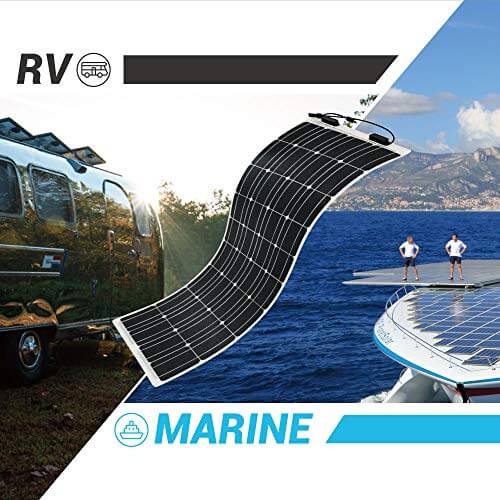
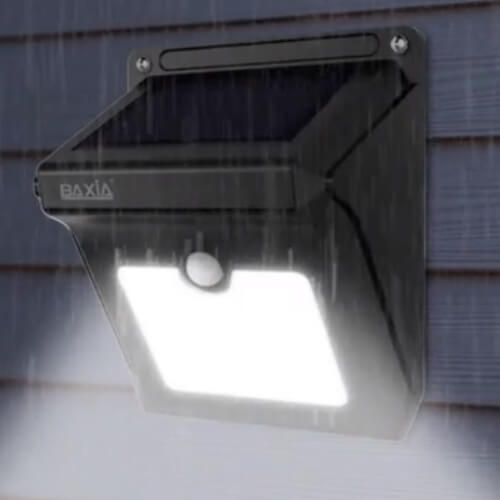
Solar power inverters for homes are becoming increasingly popular as people are looking for more ways to become more environmentally friendly and reduce their energy bills.
Solar power inverters convert the direct current (DC) from solar panels into alternating current (AC), which can be used to power household appliances and gadgets.
They come in a range of wattages, prices, and sizes, so it’s important to do your research before you buy one to make sure you get the right one for your needs.
There is no shortage of reasons why this technology has been steadily increasing in popularity:
- Solar panels don’t produce any greenhouse gases or other harmful emissions; -It is good for the environment; -The price of installing solar panels has decreased significantly over the years and it is now more affordable than ever; -It is a relatively simple process with no installation required – you simply place the solar panel on your roof and plug it into the inverter.
- Many inverters come equipped with features such as weather forecasting, solar tracking (they automatically turn to follow sunlight), and self-consumption (in addition to sending power back to the grid, the inverter can store excess solar energy for later use).
- If you want to generate your own electricity and cut down on your usage from the national grid, then a solar inverter is an efficient way of doing this.
Choose the right inverter for your needs.
- Determine which parts of your house you will be powering.
- Learn about current incentives and how much you can save.
- Decide whether you want to sell any excess energy back to the grid in a process known as “net metering,” in which case you’ll need a special type of inverter called an “export inverter”.
After you’ve decided what size power inverter you need, it’s time to determine how much excess electricity you plan on generating. If your goal is net metering, the inverter will have to be capable of sending any extra energy back to the grid while still powering all of your lights and appliances when necessary. Any inverters without this capability won’t work for net metering, but that doesn’t mean you can’t still generate some energy.
There are 2 main types:
- Battery Backup: Power inverters that have a battery backup, or standby power, will automatically switch to the inverter’s battery when the electricity goes out. This ensures that you won’t lose any equipment that uses up a lot of power and needs to be plugged into a reliable source.
- Solar: A solar-powered inverter will usually come with a 5-10 year warranty on the solar panels and batteries. Batteries usually need to be replaced every 3 to 10 years, depending on how often you use them. You can save money by purchasing an inverter that doesn’t have a battery backup.
Some inverters also come with special features, including:
- Remote control with LCD screen.
- Built-in meters that show the available wattage and battery level.
- USB charge ports for portable electronic devices.
- Overload protection to prevent damage to your appliances.
Important
- The inverter must match your load requirements—the amount of power you need to use at any given time. Look for the maximum continuous rating (MCR) of the inverter, which gives you the total amount of watts it can supply continuously without overheating or shutting down.
- The surge rating tells you how much power the inverter can supply for a short period of time. You should make sure your load requirements are less than or equal to this amount.
- The inverter must be compatible with your existing electrical system. Check the manual or manufacturer’s website to find out if it can work with your plug outlets. If you live in an apartment, check whether the inverter is acceptable by your landlord or property manager before making a purchase. Be sure that all of the lights and appliances in each room will be powered by the inverter.
Solar Inverter Buyer’s Guide for Beginners
Solar Panel & Inverter Kits
There are several things that you need to think about before getting started:
Power converters/inverters go bad over time, particularly when used regularly. If you don’t plan on using your inverter regularly, choose one with an optional battery backup that will automatically engage during power outages.
You’ll also save money by purchasing an inverter with a rating of at least 50% above the maximum continuous rating (MCR) of all appliances you plan to power with it.
Choosing the right inverter is important, so read reviews and research online to learn more about different brands and models before making your purchase. An inverter is an investment in your home’s electricity supply, so be sure you’re choosing one that fits your needs.
- You can achieve net metering if there is an issue with the inverter not sending out power to the grid.
- The ideal situation would be to have a net metering system that includes backup storage batteries, but this adds costs.
- The cost of adding batteries can exceed $6,000 for home installations.
- If you want to sell excess energy back to an electric company, you probably have to have a net metering system with batteries.
- You can use an inverter to power many household appliances, including TVs, stereos, computers, microwaves, and more.
- It can take less than 5 minutes to set up an inverter that supplies 1 kilowatt of power in your home.
- You can find inverters ranging from 100 watts to 10,000 watts.
- The average price of an inverter is about $300.
- Solar panels are independent of the inverter, but they work together to ensure power availability in your home.
- Most solar panels come with a warranty that lasts between 10 and 25 years.
- You can also purchase a warranty for the inverter and battery packs to extend their working life.
Solar: A solar power inverter is connected to photovoltaic panels which must be installed by a professional on your roof. While inverters are fairly inexpensive, installation costs might add up depending on the location and availability of qualified installers.
- You can find inverters for as little as $1,000.
- Inverters have a lifespan of 15 to 20 years on average, with the most expensive models having a lifespan of up to 25 years.
- An inverter is required by law in some areas that offer net metering programs, which allow you to use solar power as well as sell back energy to your electric company.
- Inverters usually last between 10 and 25 years, but they can be extended up to 30 years with a warranty.
Check with your electric company for more information regarding your local regulations.
Solar Power Inverter for Home Use
Look, no matter what you’re planning to do with the best solar power inverter for home use, these bundle kits have what it takes. But don’t take my word for it, read the reviews to see what customers have to say.
People also ask
When you find the kit you’re looking for please comment below so our guests can save time during their research.
*Best Sellers last updated on 2026-10-09 at 13:55 AZT